, the book is great read and online course contains all the material of
volume 1 and volume 2 and I heard Alex is also going to put soon to be
released System Design Interview Volumen 3 content on it, which you all the
learners will get for free.
10 Best System Design and Software Design Books in 2026
There are a lot of good graphical modeling languages out there. The
Unified Modeling Language or UML
is used for describing software both structurally and behaviorally along
with graphical notation. The Business Process Modeling Notation is
very useful as a Process Modeling language.
There are also a lot of design methods that you, as a system designer,
can make use of. Architectural Design is perfect for describing the
views, model, behavior, and structure of a system.
Logical Design is useful for representing data flows, inputs, and
outputs of the system, as well as entity-relationship diagrams.
Physical Design looks at how the data is modeled and stored
inside the system. It is also useful for learning how users add
information to the system and how the system details information back to
the user.
Here we have compiled a list of the 10 best books on system design. Keep
reading to learn more.
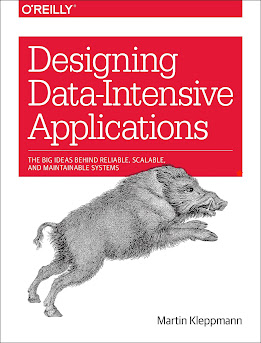
In this fantastic book on system design, Martin Kleppmann will help you
understand the pros and cons of all the different technologies that are
used for storing and processing data. It is a book that is written in a
lucid style and presents a very broad overview of data storage systems.
You will get a very good grasp of fundamental concepts, algorithms, as
well as practical applications of various technologies. This is
also one of the most popular book when it comes to learn Software design
and System Design and I highly recommend this book to all kind of
software developers .
The book is also good for beginners and experienced, developers and
software architects and anyone who wants to be better at software design
in 2026. If you want, you can also combine this book with the
Mastering the System Design Interview
by Frank Kane (Ex Amazon Hiring Manager) on Udemy for better
preparation.
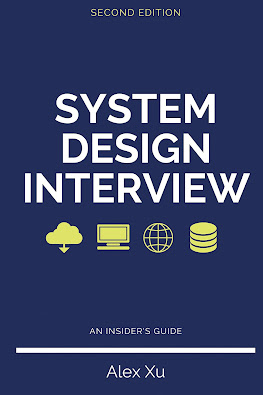
As the title suggests, this is the perfect book for everyone who is
preparing for a system interview. Trust me, this book is the finest on
the internet right now. This book is created by Alex Xu who has
gone through the same process.
You will get access to a number of drawings and diagrams that will
assist you in gaining an understanding of the real system. You will be
able to understand what the recruiters are looking for in your answers
to questions.
Alex also have a companion
System design course on ByteByteGo, where you will not only find all the content of this book and the
second part of System Design Interview Book by Alex Wu but also new
content, deep dive into popular system questions like how to design
YouTube and WhatsApp as well as proven System design framework to
solve Software design problem.
In short, if you read this book, you will be able to breeze through your
next system design interview. This is also one of the most recommend
System design books on Reddit, Quora, Hacker News, Twitter, and other
online platforms and its obvious from the number of reviews this book
have on Amazon.
This is a great book that will give you a very good understanding of
system analysis and design, as the title suggests. You will get access
to extensive descriptions, as well as practical projects that reflect
real-life situations.
The 6th Edition of this book is also made up of a number of case studies
and many examples along with deep explanations for all the case studies
and examples.
This book will definitely help you in achieving your goals as a design
student. You will get a solid grasp of all the principles related to
system analysis and design. If you want, you can also combine this
book with the
Grokking the System Design Interview course on DesignGuru.io, one of the best interactive course for
System Design.
This is another fantastic book that will teach you all about the skills,
ideas, and techniques that are connected with system analysis and
design. Trust me when I say that this is the perfect and most
comprehensive system design book for you.
This System Design and Analysis book is authored by Joshep Valacich and
Joey George and also made up of a section on agile methods, which will
ensure that this is a perfect student learning system for system
designers.
The writing style is very simple but informative, which means that it
will be accessible to everyone, including those whose mother tongue is
not English.
There are multiple edition of these book to make sure you choose the
latest edition, the 9th Edition and if you need a Udemy course to go
with this book I recommend
Pragmatic System Design
course on Udemy. I have found that by reading books and watching
course is the best way to learn System design.
According to industry experts, this is one of the most important systems
design textbooks that is available on the market today. That is because
this book will make you realize what has changed in the industry as well
as why a change was necessary in the first place.
Also, this book has sections that are dedicated to
object-oriented coding
and
agile methodology, which are two of the most used methodologies these days. You will
also learn how systems function, as well as about cloud computing and
mobile applications.
The 12th edition of System Analysis and Design by Scott Tilley is the
latest book in this series and you should read that to get the update
knowledge. If you are preparing for System design interview then you can
also checkout
System Design Interview Guide
by Sandeep Kaul (Tech Lead @ Facebook) for better preparation.
System design, Software Design, and Software architecture are closely
related. When you read this book, you will learn everything there is to
know about Software structure and Design. You will also be able to make your code smoother and integrate agile
methodology into your solutions.
This book is created by Robert C. Martin, fondly known as Uncle Bob
which is also author of famous
Clean Code
and
Clean Coder book. This is the third in the series and many people read all three to
become a better software developer.
This book focuses on the different principles related to system
analysis and design as well as the different challenges that system
designers face while developing a solution in the real
world.
In addition, you will learn how to run unit tests and use a
test-driven strategy for improving the efficiency of your
systems. And, if you want, you can also combine this book with Coursera's Software Design and Architecture Specialization to learn better.
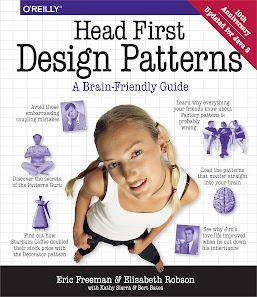
This is a wonderful book that explains what patterns are important as
well as how to apply these patterns to your designs. It focuses on
object-oriented principles that are the basis of these patterns.
Using this book, you will be able to vastly improve your knowledge of
software development. You will get to know about important design
principles that can be useful for solving software design
principles.
The 2nd edition of this book is now available and you should read that
to learn design pattern with Java 8 and beyond. Most importantly how to
use Lambdas and Stream to implement classic design pattern sin
Java.
And, if you need an online course to go along this book,
Design Patterns in Java course by Dmitri Nestruk on Udemy is best as it shows the modern
implementation of classic design patterns in Java.
This is another book you can read to prepare for FAANG System Design
interview. This book not just cover essential System design concepts
which every software architect should know but also cover many popular
System design questions and coding problems.
Created by Stanley Chiang, a Google Software
Engineer, this is also one of the best selling book on System
design on Amazon. The best thing about this book is that it walk
you through key components which are used to build any system like
below:
- Web server
- API gateway
- Load balancer
- Distributed cache
- Asynchronous queue
- Object storage
- CDN
- Fan-out service
- Unique ID generator
This book also includes real interview questions based on hundreds of
interviews conducted at big tech companies like Google and Meta, and
their detailed solutions. I highly recommend this book to anyone
preparing for technical interviews. You can also combine this with the
Algomonster
or
Exponent
System design course for better preparation.
"Fundamentals of Software Architecture: An Engineering Approach 1st
Edition" by Mark Richards and Neal Ford stands as an invaluable guide for
developers aspiring to transition into the role of a software architect, a
position consistently ranked among the top 10 best jobs in salary surveys
globally.
This first-of-its-kind book offers a comprehensive overview of software
architecture, covering a wide array of topics such as architectural
characteristics, patterns, component determination, diagramming,
evolutionary architecture, and more.
Written by hands-on practitioners with extensive experience in teaching
software architecture classes, Mark Richards and Neal Ford focus on
universal architecture principles applicable across various technology
stacks.
The book delves into critical aspects like architecture patterns,
component identification, soft skills, modern engineering practices, and
treating architecture as an engineering discipline.
With a modern perspective that incorporates innovations from the past
decade, this book equips both aspiring and existing architects with the
necessary tools and insights to navigate the complexities of software
architecture, making it an indispensable resource in the field. I highly
recommend this book to any senior developer who also want to become a
software architect.
"Software Engineering at Google: Lessons Learned from Programming Over
Time," co-authored by Titus Winters, Hyrum Wright, and Tom Manshreck,
offers an insightful exploration into the intricacies of developing and
maintaining a sustainable and healthy codebase, emphasizing the
distinction between programming and software engineering.
Throughout the book, three fundamental principles are highlighted: the
impact of time on software sustainability, the influence of scale on
software practices within an organization, and the trade-offs engineers
must consider when making design and development decisions.
With
a focus on practical insights and real-world examples, this book serves as
a valuable resource for software engineers seeking to enhance their
understanding of software engineering principles and
practices.





No comments:
Post a Comment
Feel free to comment, ask questions if you have any doubt.